


Philippine businesses are being challenged to move beyond sustainability storytelling by providing verifiable evidence of environmental progress and lasting community benefits.
Read More
Government decisions may establish policy direction, but their actual value emerges through effective implementation and measurable improvements in public services.
Read More
Millions of everyday transactions helped GCash build something that cannot be captured entirely on a balance sheet: accumulated public confidence.
Read More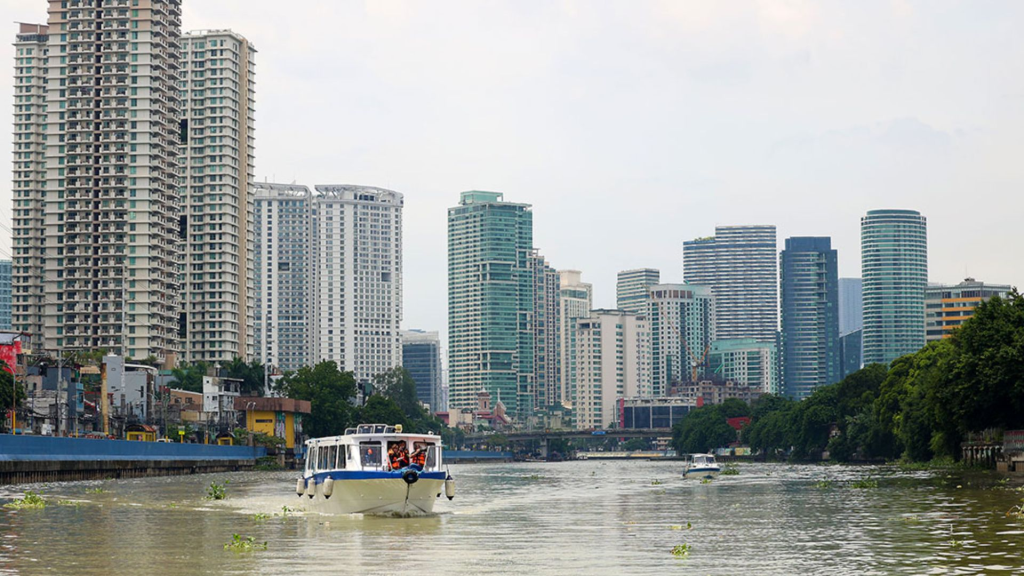
The bigger opportunity for the Pasig River is not simply rehabilitation, but regeneration that creates value for communities, businesses, and the environment.
Read More
The next phase of Philippine PR could depend less on controlling narratives and more on helping organizations become credible before stories are even told.
Read More
The more useful question is not simply who the stakeholders are, but which relationships most influence the organization’s ability to perform.
Read More
The difference between producing an occasional champion and building a strong talent pipeline lies in the quality of the ecosystem behind them.
Read More
Reputation capital represents the accumulated trust and credibility organizations rely on when stakeholders begin questioning their intentions or competence.
Read More
Trust is shifting from persuasion toward proof as stakeholders demand verifiable claims, measurable outcomes, and demonstrable expertise.
Read More
Good leadership should be judged not only by intentions but by whether observable decisions consistently placed institutional and public interests ahead of personal gain.
Read More